The Abortion Wars, Part 5: The Pattern


Part 5 of 5

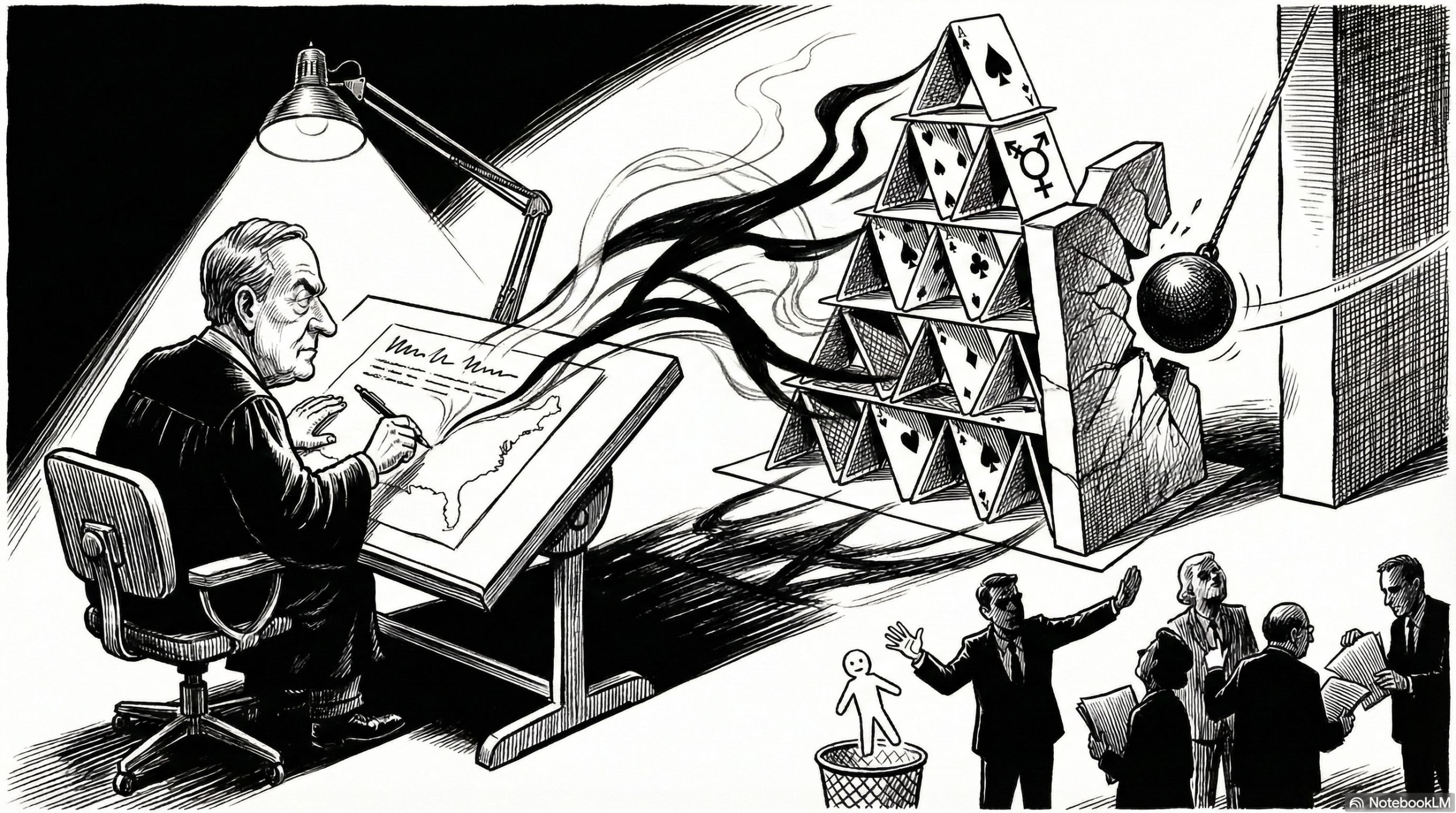
In Part 2, I mentioned a woman named Terri Schiavo. Time to come back to her.

On February 25, 1990, Terri Schiavo suffered cardiac arrest in her Florida apartment. She was twenty-six. The resulting oxygen deprivation left her severely brain-damaged, and she was eventually diagnosed with a persistent vegetative state. She was not dying. She was not on a ventilator. She was breathing on her own. She received nutrition through a feeding tube.

Read more

The Abortion Wars, Part 4: Racketeers for Life


Part 4 of 5

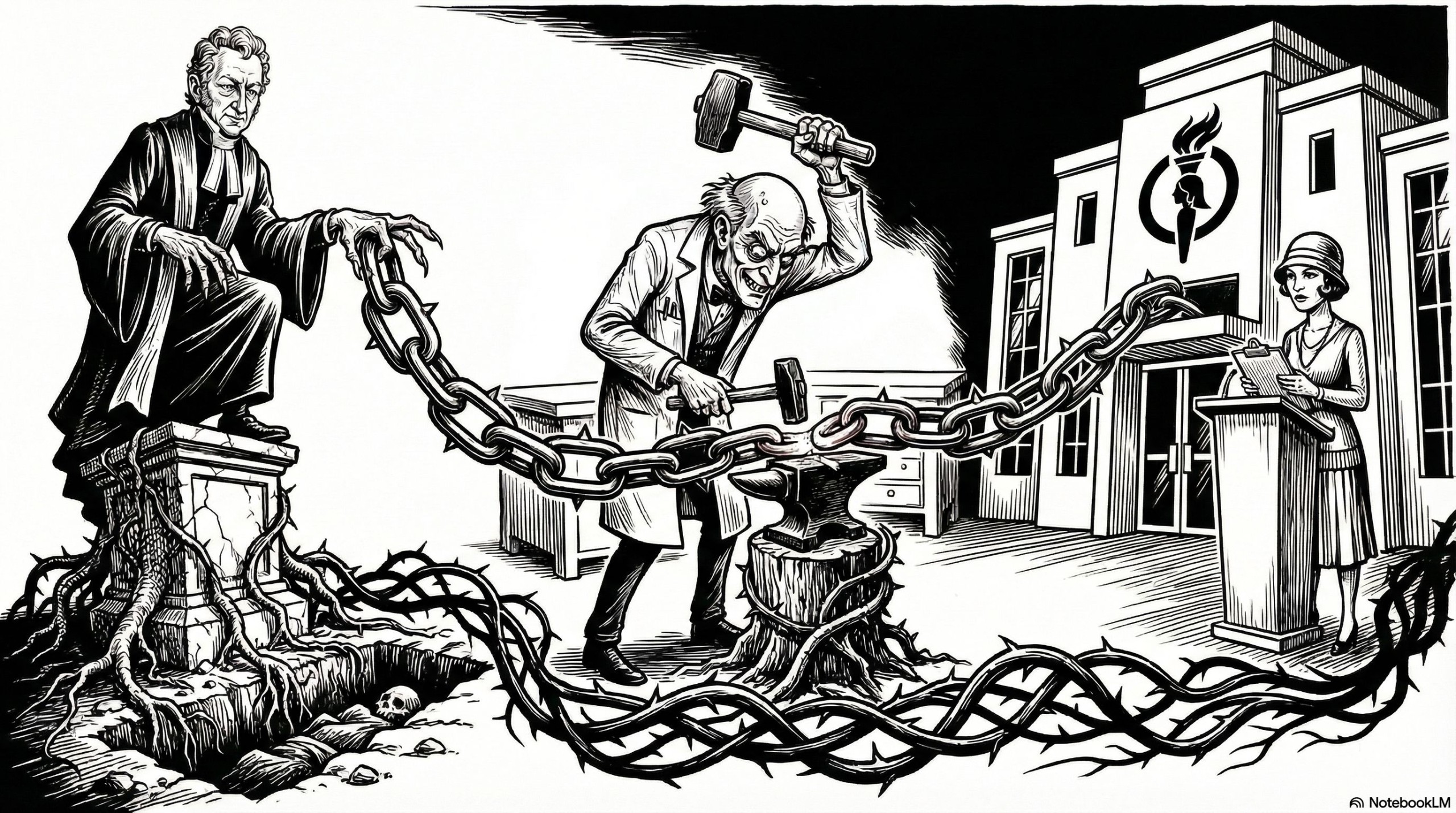
In 1986, the National Organization for Women sued a man named Joseph Scheidler under RICO.

If that acronym sounds familiar, it should. The Racketeer Influenced and Corrupt Organizations Act was passed in 1970 to prosecute the Mafia. It was designed for organized crime (for extortion, loan-sharking, murder-for-hire, drug trafficking). The law’s creators never imagined it would be pointed at a Catholic pro-life activist from Chicago who organized sidewalk protests outside abortion clinics.

Read more

The Abortion Wars, Part 3: The Legal Fiction


Part 3 of 5

Norma McCorvey wanted an abortion. What she got was a pseudonym.

In 1970, McCorvey was pregnant with her third child in Texas, where abortion was illegal except to save the mother’s life. She was referred to two attorneys, Linda Coffee and Sarah Weddington, who needed a plaintiff for a federal challenge to Texas’s abortion law. They needed her name on the filing. They didn’t particularly need her.

Read more

The Abortion Wars, Part 2: The Roots


Part 2 of 5

In 1798, an English clergyman named Thomas Malthus published An Essay on the Principle of Population and managed to be spectacularly wrong about nearly everything in it. His thesis was simple: human population grows faster than food production, so eventually everyone starves. His solution was equally simple: stop helping the poor. Charity, he argued, only encouraged the lower classes to breed, which made the problem worse. Nature would handle things if we’d just step aside and let the weak die off. He was wrong about the math (agricultural innovation has consistently outpaced population growth for over two centuries), wrong about the economics, and wrong about human ingenuity. But being wrong about everything didn’t stop his ideas from becoming enormously influential. It rarely does.

Read more

The Abortion Wars, Part 1: The Psychological Foundation


Part 1 of 5

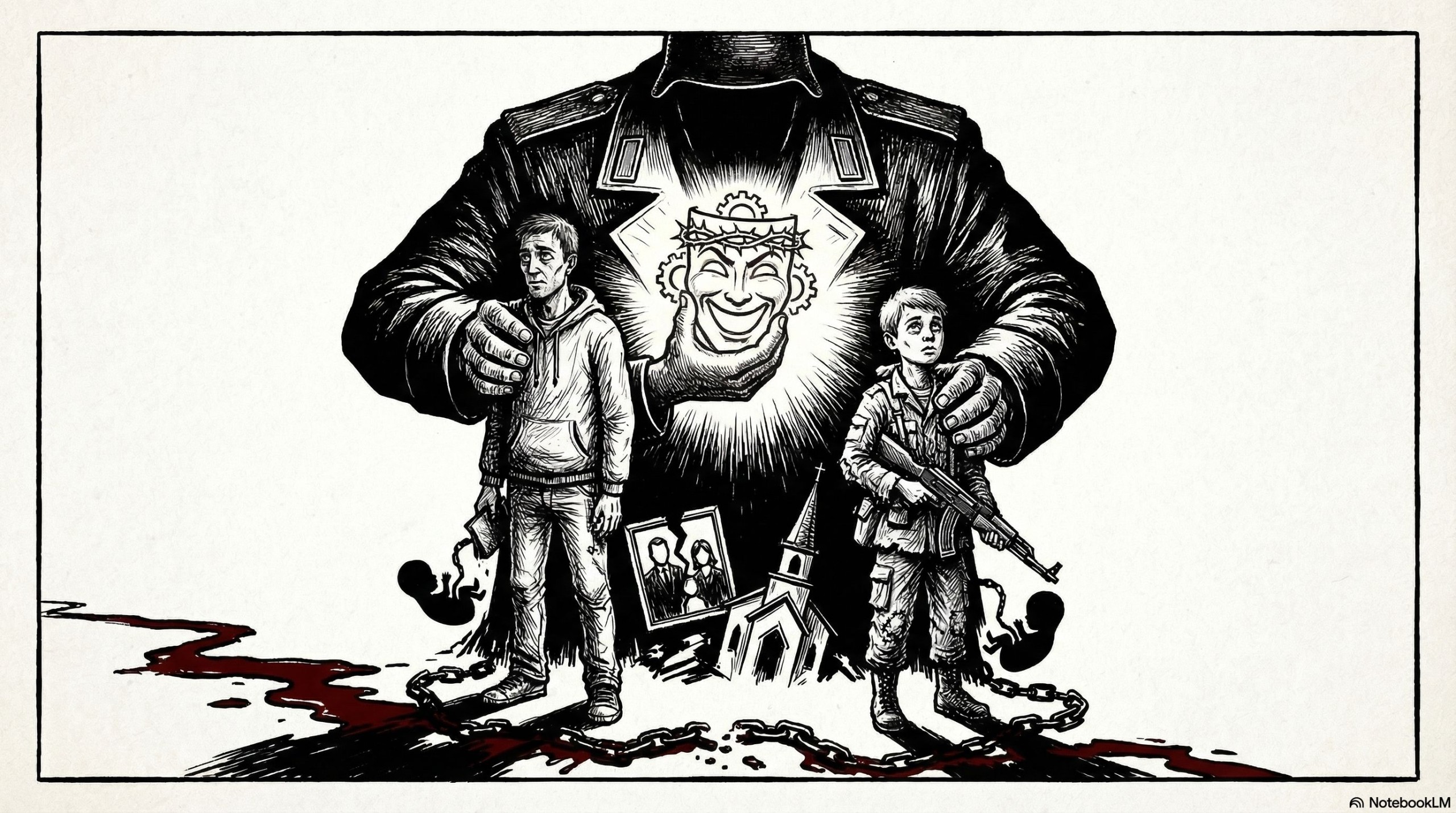
To ensure devotion from the children they kidnapped and used as soldiers, the Revolutionary United Front in Sierra Leone would attack a village, kill most of the adults and then take the children. They would take a child and force them to murder one of the surviving adults, preferably their own parent. Once done, the child was theirs for life. The RUF became their new family.

The Khmer Rouge used a variation, where young “recruits” were put through what the regime called “forging” where they participated in an execution. Once they had innocent blood on their hands, they belonged to the Angkar (“the organization”) forever (or so the leader thought*.)

Read more

Being Charlie, Part 5: The Vacuum


Fifth and final in a series on what it would actually take to mean it when you say “I am Charlie Kirk.”


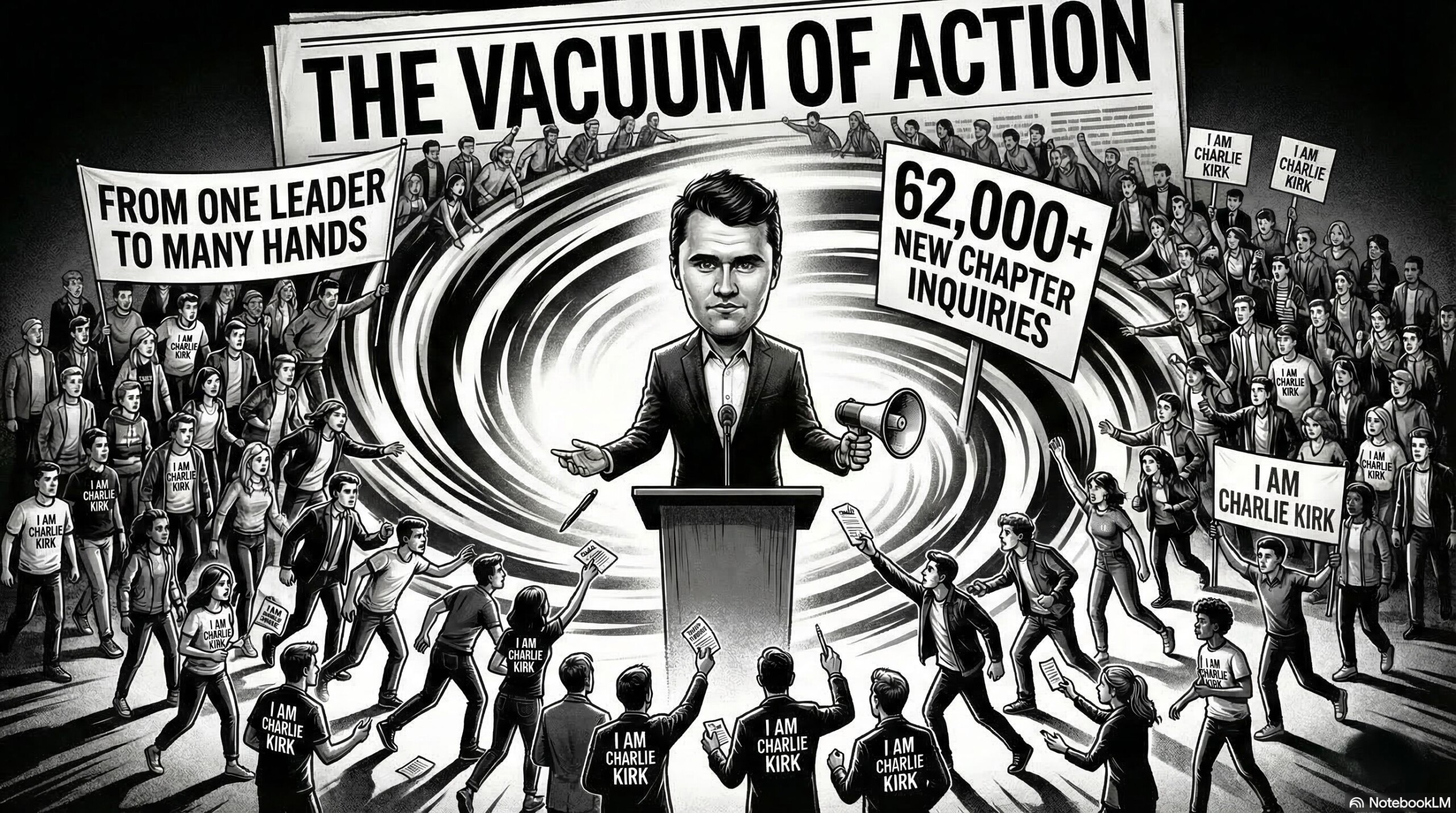
In 1982, Christian singer-songwriter Keith Green died in a plane crash at twenty-eight years old. He’d built one of the most dynamic ministries in contemporary Christian music, not just a career but a genuine movement, complete with a ministry campus, a publishing operation, and a following that took him seriously because he took them seriously. He challenged comfortable Christianity the way Kirk challenged comfortable conservatism: by showing up in person and making people uncomfortable.

When Green died, his fans were in shock. He’d built something so large, so personal, so tied to his own energy and conviction, that the obvious question hit everyone at the same time: Who’s going to do it now?

And they answered themselves. I guess I need to.

Read more

Being Charlie, Part 4: The Generator


Fourth in a five-part series on what it would actually take to mean it when you say “I am Charlie Kirk.”


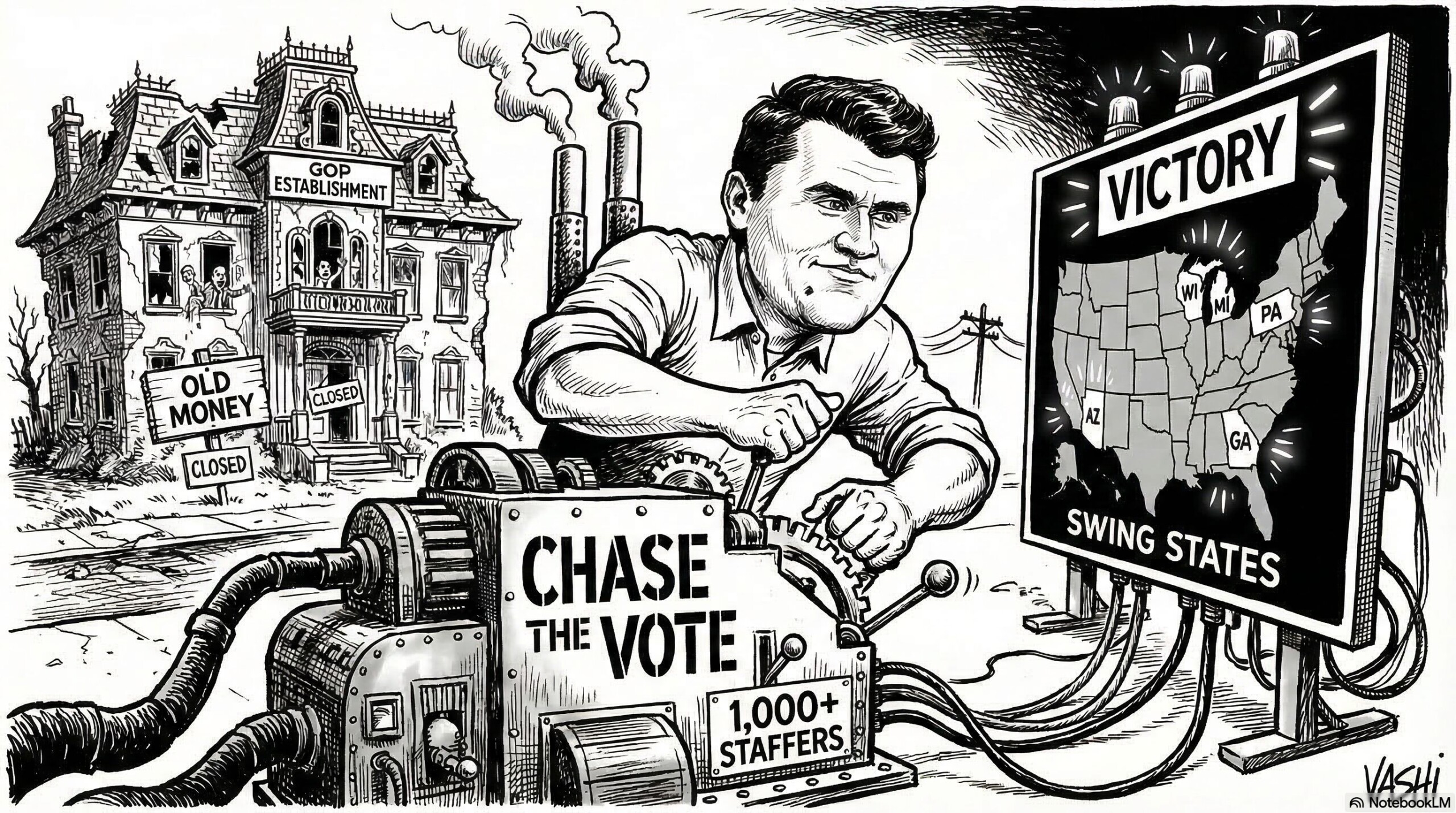
There’s a moment in The Great Gatsby that most people remember wrong. They remember the parties, the music, the lights, the crowds pouring into Gatsby’s mansion. They remember the green light across the water. What they forget is how the story ends: not with Gatsby’s death, but with the observation that the people who destroyed him were careless. They smashed things and retreated into their money, and let other people clean up the mess.

Gatsby’s crime wasn’t failure. It was success, the wrong kind, achieved the wrong way, by the wrong person. He didn’t inherit his fortune; he built it. He didn’t join the old-money establishment; he built a bigger house next door. He threw open the doors and invited everyone, and for a while it worked. But the moment his success threatened the structure that the old money depended on, the system disposed of him. Not by confronting him directly, Tom Buchanan didn’t pull the trigger. He pointed the gun in the right direction and let someone else do it.

Read more
Being Charlie, Part 3: Meat and Potatoes


Third in a five-part series on what it would actually take to mean it when you say “I am Charlie Kirk.”


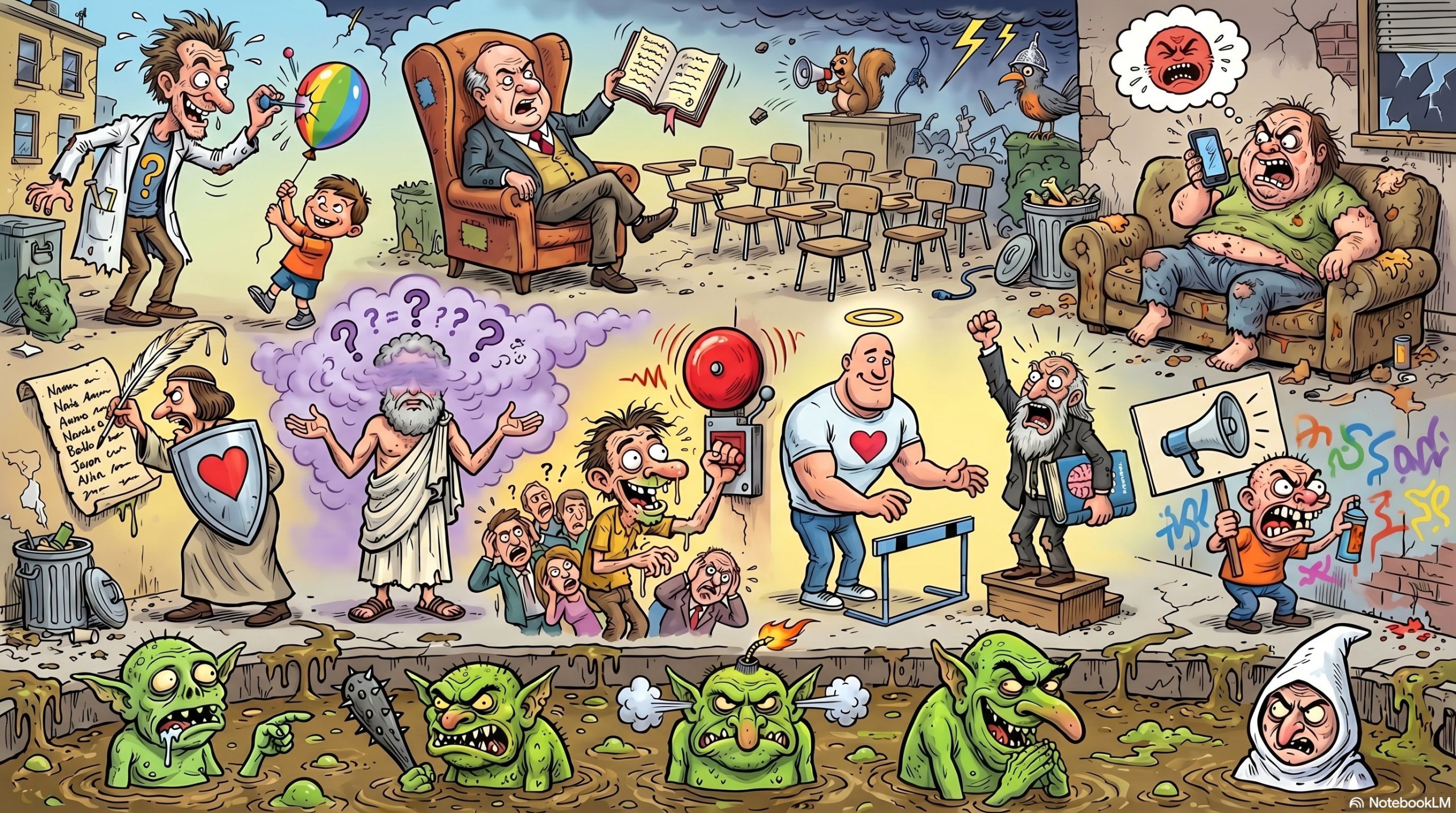
There’s a word people use without thinking about what it actually means: politics.

Strip away the civics-class veneer and substitute what the word actually describes in practice: manipulation. Every campaign ad, every rally speech, every carefully timed endorsement, every leaked memo, every strategic silence — it’s all manipulation. The nice version is “persuasion.” The honest version is that you’re trying to get people to do what you want them to do, and the ones who are best at it are the ones who make people feel like it was their own idea.

This isn’t a cynical observation. It’s the operating reality that anyone who enters politics eventually confronts. And here’s the paradox that sat waiting for Charlie Kirk when he stepped from campus organizing into the national political machine: if your cause is liberty — if your entire argument is that people should think for themselves, govern themselves, take responsibility for themselves — then the tool you’re forced to use to advance that cause is the opposite of the cause itself. You’re manipulating people toward freedom. Coercing them toward self-governance. Selling independence to a populace that, if we’re being honest, mostly wants to be told what to do.

Read more

Being Charlie, Part 2: The Gear-Shift


Second in a five-part series on what it would actually take to mean it when you say “I am Charlie Kirk.”


There’s a story about Alexander the Great — probably apocryphal, but useful. The version most people know is that he wept because there were no more worlds to conquer. The version closer to the ancient sources is darker: he wept because he couldn’t hold what he’d already taken. He was the greatest conqueror of the ancient world and a catastrophic administrator. His empire didn’t survive him by a single generation. It fractured into warring successor states before his body was cold.

This is the oldest problem in leadership: the skills that build a thing are not the skills that sustain it. Every founder hits this wall. The ones who conquer it learn to shift gears, from doing to delegating, from instinct to infrastructure, from moving fast to building things that hold. The ones who don’t end up like Alexander: brilliant, dead at thirty-two, and leaving behind a machine that nobody else knows how to operate.

Read more

Being Charlie, Part 1: Just a Kid


First in a five-part series on what it would actually take to mean it when you say “I am Charlie Kirk.”


There’s a scene in The Delta Force (1986) that captures something most people have forgotten. Terrorists hijack a plane and demand the Jewish passenger come forward. Father O’Malley, played by George Kennedy, stands up, walks forward. Abdul, the terrorist, says, “I did not call you.” The priest replies, “You called for all the Jews. I’m Jewish, just like Jesus Christ. You take one, you gotta take us all.” He was making a declaration: you meant to isolate them, but I’m stepping into their place.

That was the spirit of “I am Charlie Kirk” when people first said it after his assassination in September 2025. It meant: you thought you’d silence him, but I will carry on his work. I am the next Charlie Kirk.

Read more