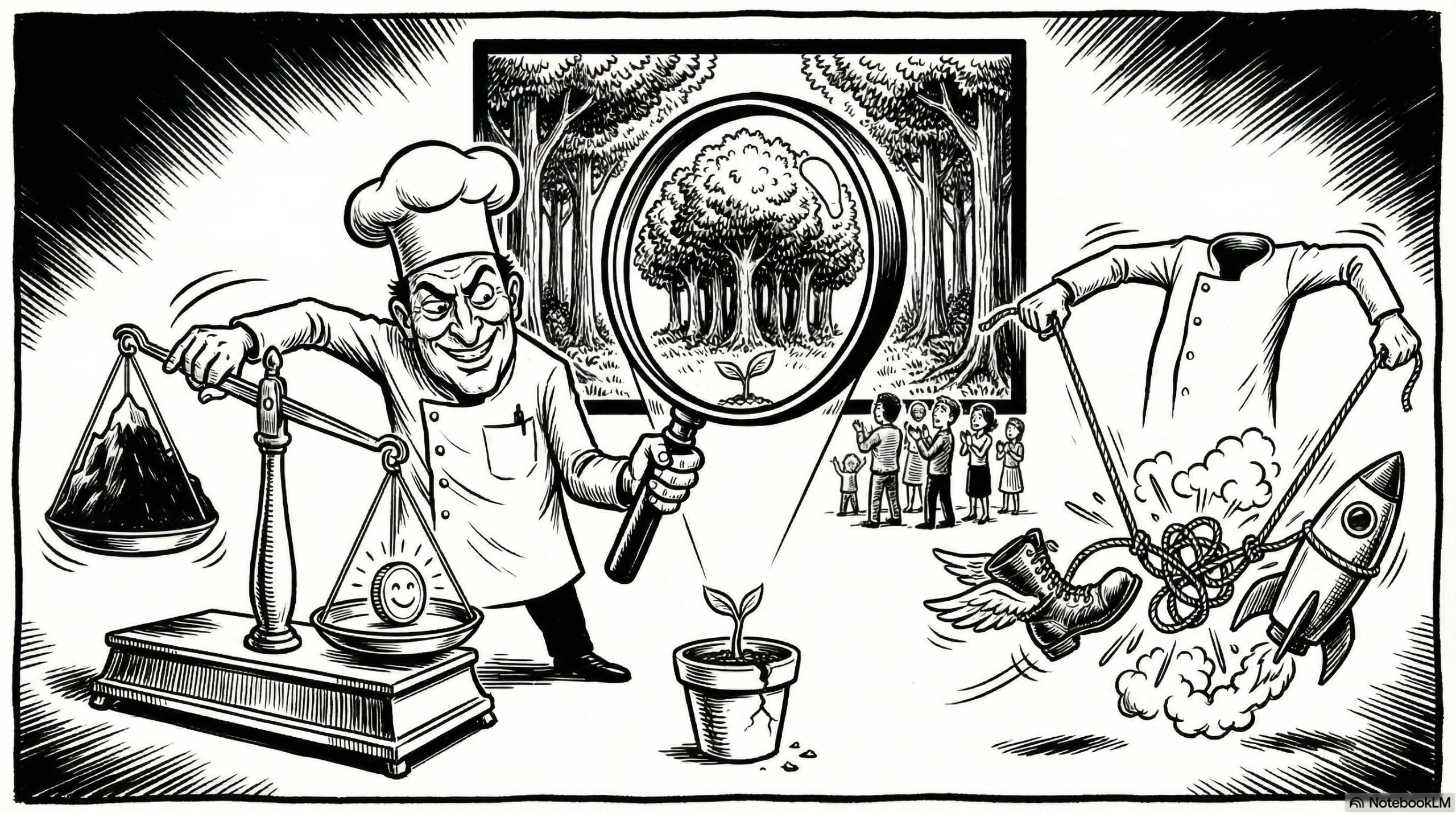
Logical Fallacies, Part 3: Bad Evidence


I saw a meme once of a stern-looking cop leaning into a car window. The caption: “Looks like you’ve had a bit too much to think.”

In Part 1 we covered fallacies that dodge the point. In Part 2 we covered fallacies that rig the question before you can answer it. Bad Evidence fallacies are sneakier than both, because they actually look like they’re doing the work. They come with numbers. Studies. Historical precedents. Personal testimony. They feel like proof. They just aren’t.

These are arguments that mishandle or fabricate evidence. They don’t dodge the question or rig the frame. They answer the question with data that doesn’t actually support the conclusion. And they’re harder to catch, because you have to check the evidence instead of just the structure.
Read more

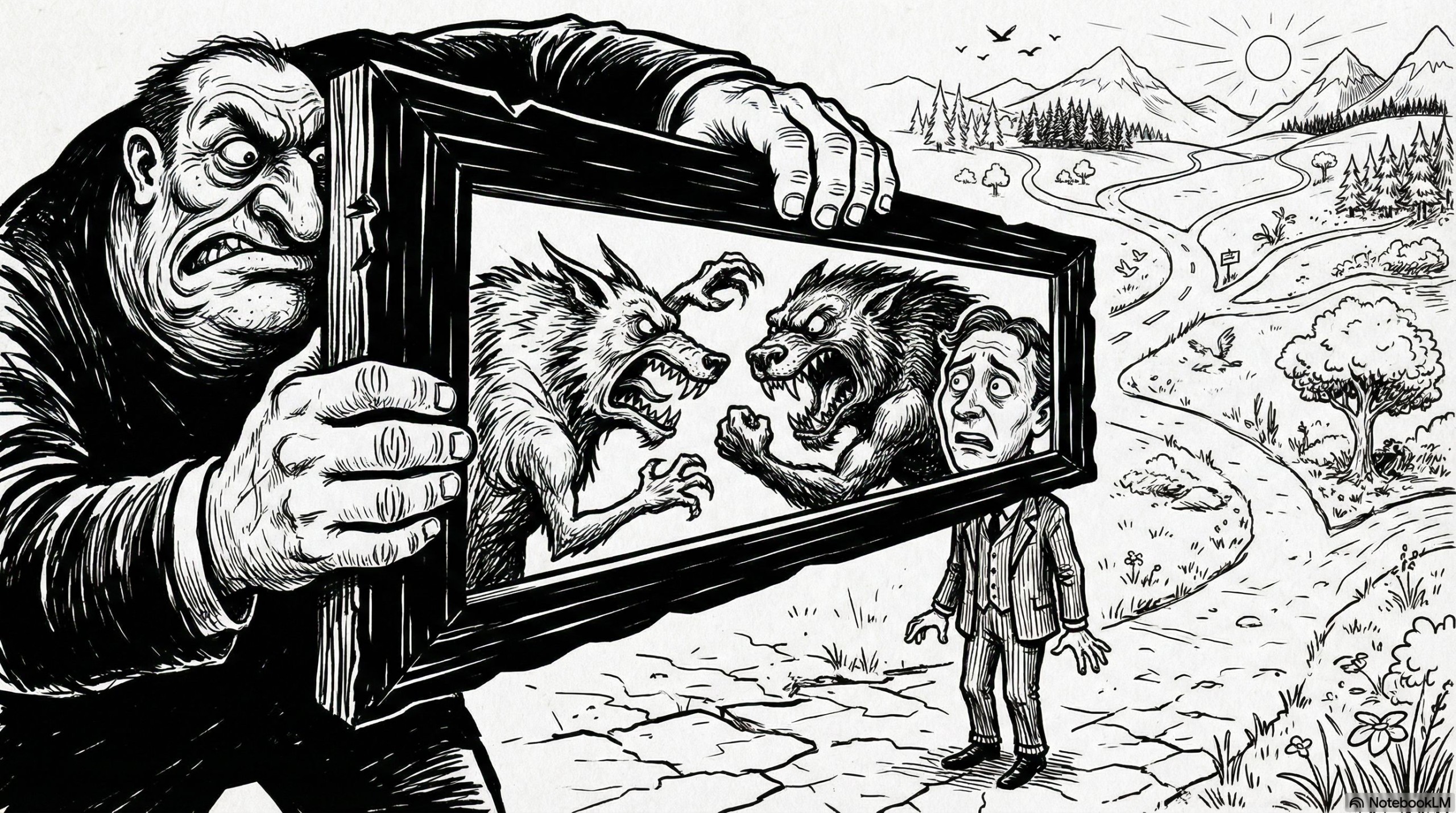
Logical Fallacies, Part 2: False Framing


There are only two kinds of people in the world: those who believe in false dichotomies, and Purple Penguins.

If that sentence made you pause, good. You just felt a False Framing fallacy doing its work. The sentence has the structure of a reasonable claim. The options are set. But they’re rigged before you even get to evaluate them. There’s no third choice, no “wait, those aren’t the only two options,” no room to step back and question the setup.

That’s False Framing. And it’s more dangerous than the Misdirection fallacies we covered in Part 1, because misdirection at least lets you see the real argument before it changes the subject. False Framing makes the real argument invisible. It rigs the question so that any answer you give concedes the point.

Read more

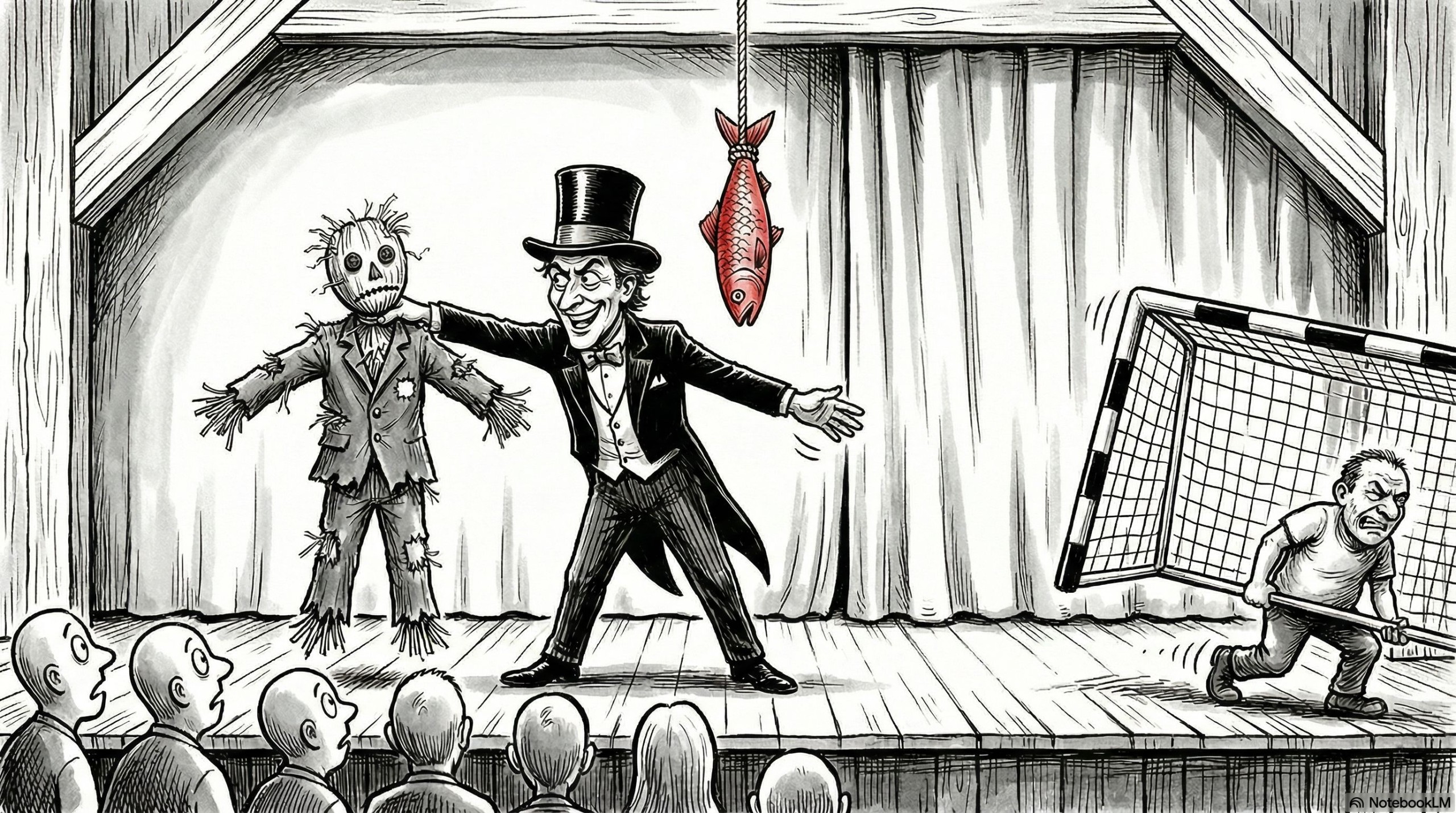
Logical Fallacies, Part 1: Misdirection


Ronald Reagan loved telling Soviet jokes. One of his favorites went like this: An American and a Soviet citizen were comparing their countries. “We have freedom in the US,” the American said. “I can walk right up to the White House and shout ‘Reagan sucks!’ and no one will stop me.” “We have the same freedom,” the Soviet replied. “I can walk right up to the Kremlin and shout ‘Reagan sucks!’ and no one will stop me either.”

Reagan told that joke to Gorbachev’s face at the Iceland summit. He told it to audiences for years. The punchline works because the Soviet citizen technically said something true while completely dodging the actual point. That’s misdirection. And if you watched any coverage of the No Kings protests, you saw it everywhere.

Fallacies of Misdirection are arguments that dodge the real point. They might sound like a response, but the actual argument has been quietly swapped for something else. These are the most common fallacies in political debate because they’re the easiest to pull off. You don’t need a counter-argument. You just need to make the real argument disappear.

Read more