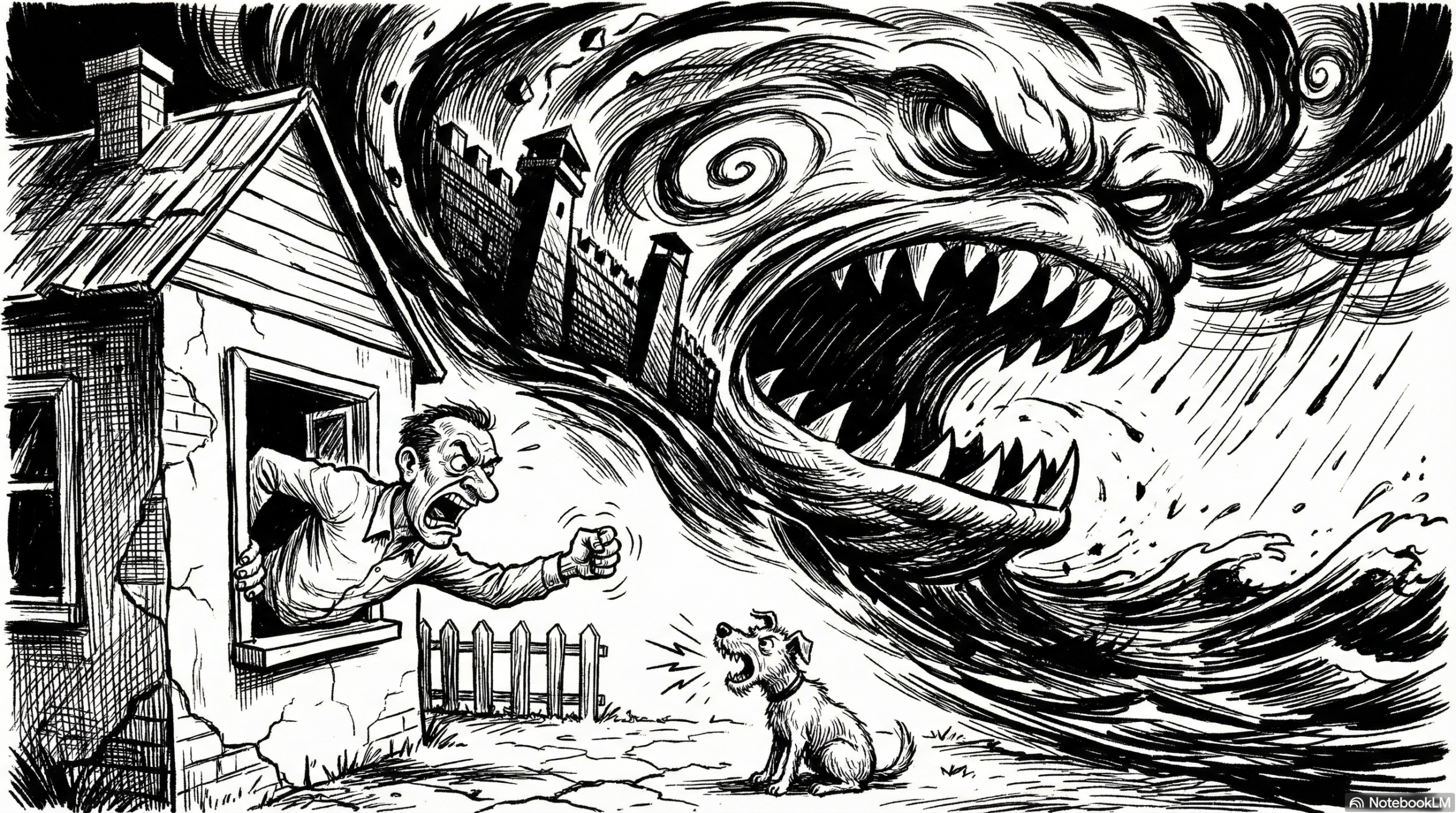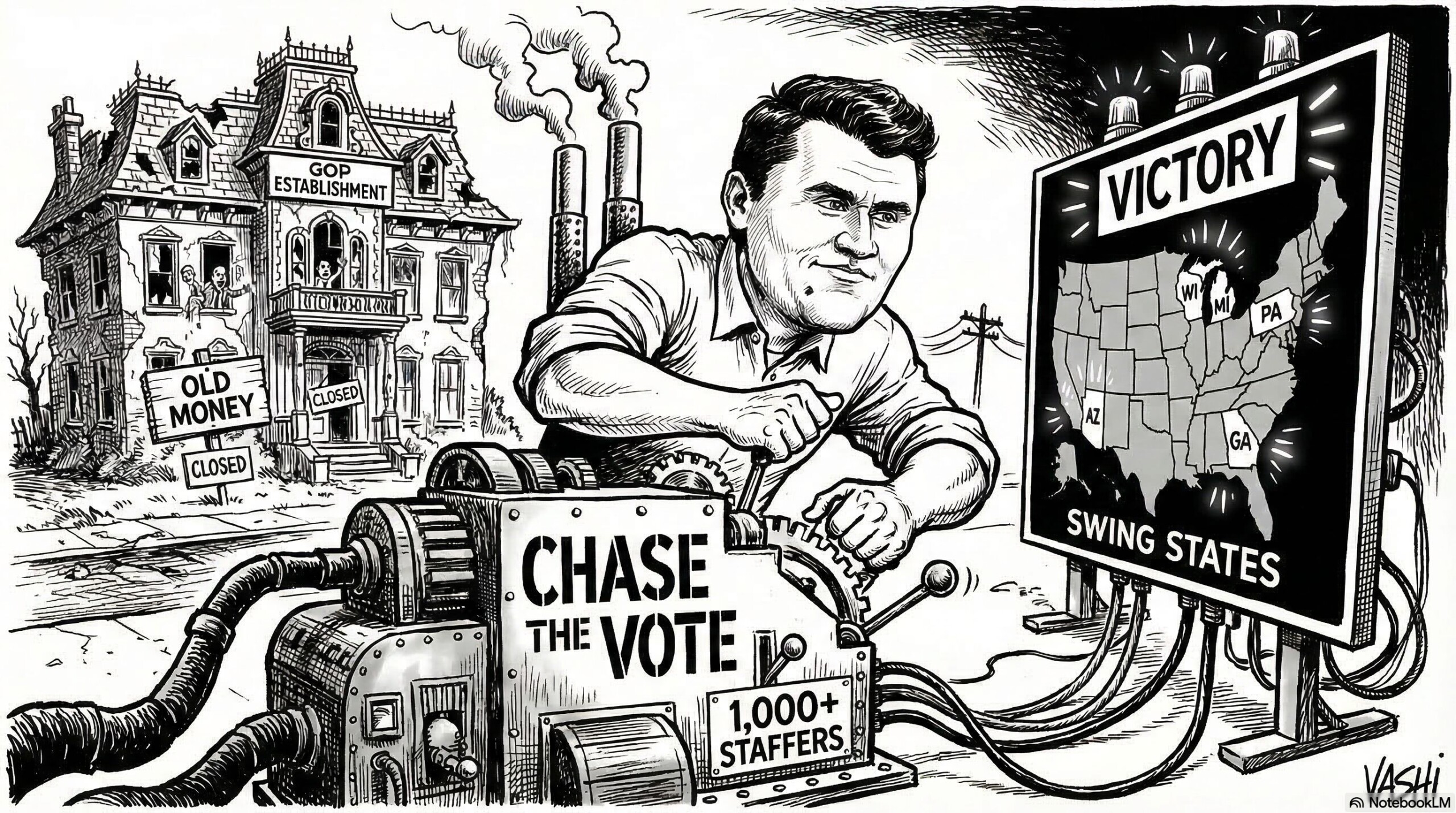
Fourth in a five-part series on what it would actually take to mean it when you say “I am Charlie Kirk.”
There’s a moment in The Great Gatsby that most people remember wrong. They remember the parties, the music, the lights, the crowds pouring into Gatsby’s mansion. They remember the green light across the water. What they forget is how the story ends: not with Gatsby’s death, but with the observation that the people who destroyed him were careless. They smashed things and retreated into their money, and let other people clean up the mess.
Gatsby’s crime wasn’t failure. It was success, the wrong kind, achieved the wrong way, by the wrong person. He didn’t inherit his fortune; he built it. He didn’t join the old-money establishment; he built a bigger house next door. He threw open the doors and invited everyone, and for a while it worked. But the moment his success threatened the structure that the old money depended on, the system disposed of him. Not by confronting him directly, Tom Buchanan didn’t pull the trigger. He pointed the gun in the right direction and let someone else do it.